 Klassik Stiftung Weimar Case Study: book2net X71 Multispectral Imaging
When preserving original works by Albrecht Dürer, Leonardo da Vinci, Lucas Cranach, and Caspar David Friedrich, every imaging decision matters. For the Klassik Stiftung Weimar, one of Europe’s most respected cultural heritage institutions, those decisions led to the implementation of the book2net X71 multispectral imaging system.
Today, the foundation is using advanced multispectral imaging technology to digitize, analyze, and preserve one of the most significant collections of drawings, prints, manuscripts, and archival materials in Europe. The project also provides valuable insight for museums, libraries, archives, and universities across North America looking to modernize their digitization and conservation workflows.
A Cultural Heritage Collection of International Importance
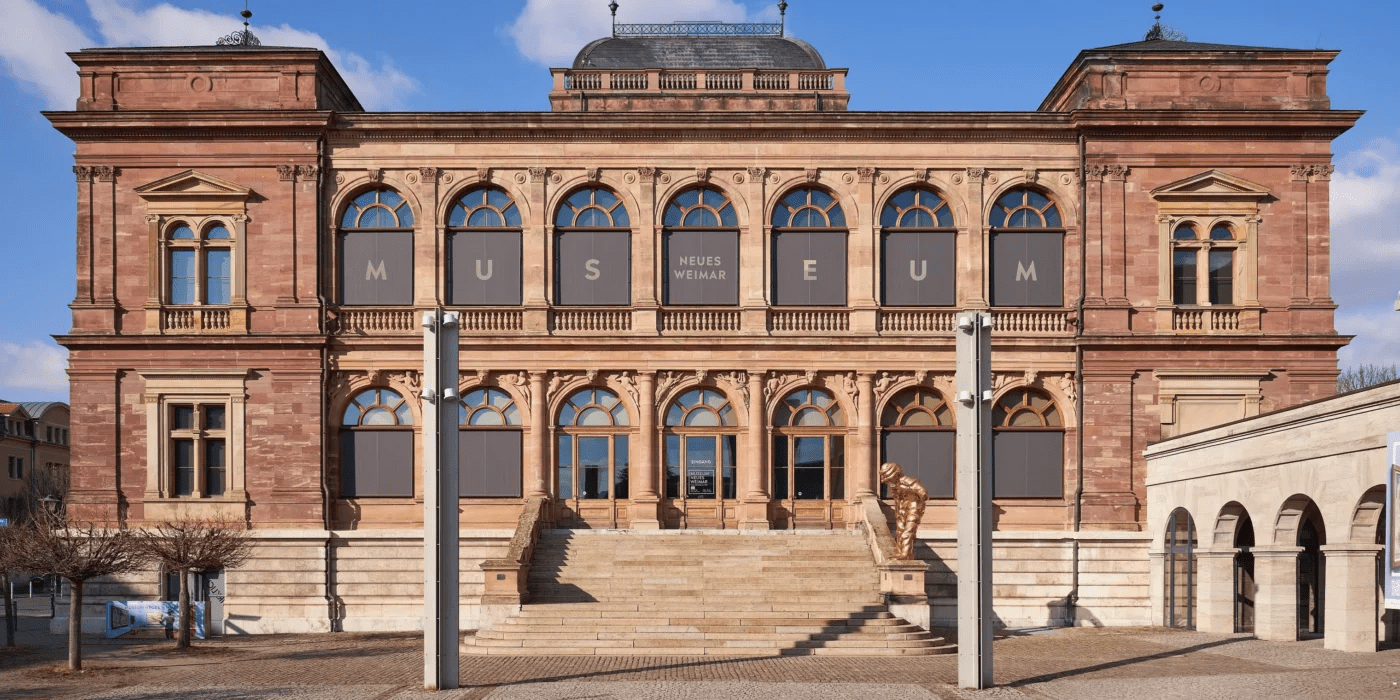
The Klassik Stiftung Weimar oversees more than 27 museums, palaces, historic houses, and cultural sites throughout Weimar, Germany. Twelve of these locations are recognized as UNESCO World Heritage sites. In 2023 alone, the institution welcomed more than 673,000 visitors.
Its collections extend far beyond Goethe and Schiller. The foundation’s archives contain over five million individual sheets, including approximately 230,000 drawings and prints dating from the 15th century to the present day.
These collections include works from:
- Albrecht Dürer
- Leonardo da Vinci
- Lucas Cranach
- Caspar David Friedrich
For an institution managing collections of this scale and importance, preservation is not optional. Materials must be protected from physical handling while remaining accessible for research, education, exhibition, and conservation work.
That requirement led to a large-scale cultural heritage digitization initiative built around advanced multispectral imaging technology.
Why Multispectral Imaging Matters in Cultural Heritage Digitization
Traditional digitization systems capture only what is visible to the human eye. Multispectral imaging goes significantly further by capturing materials under controlled ultraviolet, visible, and infrared wavelengths.
This process reveals information that standard RGB photography cannot detect, including:
- Underdrawings beneath finished artwork
- Hidden watermarks
- Previous restoration work
- Pigment variations
- Foxing and moisture damage
- Faded or obscured text
- Material deterioration over time
For museums, archives, and special collections, multispectral imaging transforms digitization from simple reproduction into a powerful conservation and analytical tool.
Why the book2net X71 Multispectral Imaging System Was Selected
The book2net X71 multispectral imaging system was selected by the Klassik Stiftung Weimar because it supports both high-end digitization and scientific conservation workflows within a single platform.
The system captures imagery from ultraviolet through infrared wavelengths beyond 1000 nm while maintaining ultra-high 71 megapixel resolution. It was specifically developed for:
- Archival imaging
- Manuscript digitization
- Artwork analysis
- Rare book scanning
- Conservation documentation
- Non-destructive imaging workflows
Unlike many multispectral imaging systems, the book2net X71 does not require physical filter swapping during capture sessions.
No Filter Swapping Means Greater Stability and Accuracy
Many multispectral imaging systems require operators to manually change optical filters between wavelength captures. This process can introduce vibration, alignment inconsistencies, and workflow inefficiencies.
The book2net X71 eliminates this issue entirely through internal spectral range selection.
This provides several advantages for cultural heritage institutions:
- Stable image registration across all wavelengths
- Reduced handling of fragile materials
- Faster imaging workflows
- Improved capture consistency
- Lower risk of operator error
For rare manuscripts, historical drawings, and delicate archival materials, minimizing movement during capture is essential.
The accompanying software also allows operators to quickly move between visible, ultraviolet, and infrared imaging modes to isolate specific material characteristics during analysis.
Infrared Imaging Reveals Hidden Details
One of the most valuable capabilities of the book2net X71 multispectral imaging system is its infrared imaging functionality.
Specific infrared wavelengths can visually emphasize carbon-based materials while suppressing surrounding substrates. This allows conservators and researchers to identify details hidden beneath surface layers.
At the Klassik Stiftung Weimar, infrared imaging helps specialists:
- Detect graphite underdrawings
- Examine artistic revisions
- Analyze compositional changes
- Identify hidden text and markings
- Support restoration planning
These insights are impossible to achieve using conventional digitization methods alone.
Supporting Long-Term Conservation Standards
At the Klassik Stiftung Weimar, digitization is directly integrated into the conservation process.
Multispectral captures serve as formal condition documentation before restoration work begins. Conservators use this information to evaluate deterioration, identify previous repairs, and monitor treatment outcomes over time.
According to the institution’s restoration team, the goal is to ensure materials remain stable for decades after treatment when stored correctly.
The book2net X71 supports this objective by providing detailed, repeatable imaging records that can be referenced throughout the conservation lifecycle.
Beyond Fine Art: Herbarium and Scientific Collections
The multispectral imaging initiative extends beyond artwork and manuscripts.
The Klassik Stiftung Weimar is also digitizing over 2,000 herbarium sheets from Goethe’s scientific collections using the same imaging technology.
This demonstrates how a single multispectral imaging system can support multiple departments within a cultural heritage institution, including:
- Museums
- Libraries
- Archives
- Special collections
- Conservation labs
- Scientific collections
For institutions managing diverse collections, workflow flexibility is increasingly important.
What North American Institutions Can Learn From This Project
While the Klassik Stiftung Weimar represents a major European cultural institution, the challenges it faces are universal.
Libraries, museums, universities, and archives throughout Canada and the United States are managing collections that contain:
- Fragile manuscripts
- Rare books
- Historic photographs
- Annotated documents
- Damaged archival materials
- Works requiring non-destructive analysis
Many institutions are now looking for imaging solutions that support both digitization access and conservation science without adding unnecessary workflow complexity.
The book2net X71 multispectral imaging system addresses these needs through:
- Integrated multispectral capture
- Simplified operation
- High-resolution imaging
- Conservation-focused workflows
- Reduced material handling
- Scalable digitization integration
Bringing book2net Multispectral Imaging to North America
Ristech is the North American partner for the book2net product line, including the book2net X71 multispectral imaging system.
We work with:
- Museums
- Libraries
- Archives
- Universities
- Government institutions
- Conservation departments
Our team helps organizations evaluate imaging requirements, integrate digitization hardware into existing workflows, and support long-term preservation initiatives throughout Canada and the United States.
If your institution is exploring multispectral imaging for archival analysis, conservation documentation, manuscript digitization, or cultural heritage preservation, Ristech can help determine whether the book2net X71 is the right fit for your collection.
Learn More About the book2net X71 Multispectral Imaging System
To learn more about the book2net X71 multispectral imaging system or discuss a cultural heritage digitization project, contact Ristech to schedule a consultation with our team.