Digitizing Canadian Defence Archives: How Military Collections Are Being Preserved for Future Generations
 Table of Contents
- The Race Against Time: Why Canadian Military Archives Need Digital Preservation
- Major Canadian Defence Digitization Projects Transforming Access
- Library and Archives Canada’s War Records Initiative
- National Defence Image Library Preservation
- Diefenbunker Museum’s Digital Heritage Project
- RCEME Heritage Foundation’s Digital Transformation
- National Initiatives Driving Military Heritage Digitization
- Canadiana Collections and Research Networks
- Open Science Infrastructure for Canadiana
- The Technology Behind Military Archive Digitization
- Microfilm and Microfiche Scanners
- Book and Document Scanners
- Large-Format Scanning Solutions
- Government Investment Accelerating Digitization Efforts
- The Future of Canadian Military Heritage Preservation
- Frequently Asked Questions
- Conclusion
The Race Against Time: Why Canadian Military Archives Need Digital Preservation
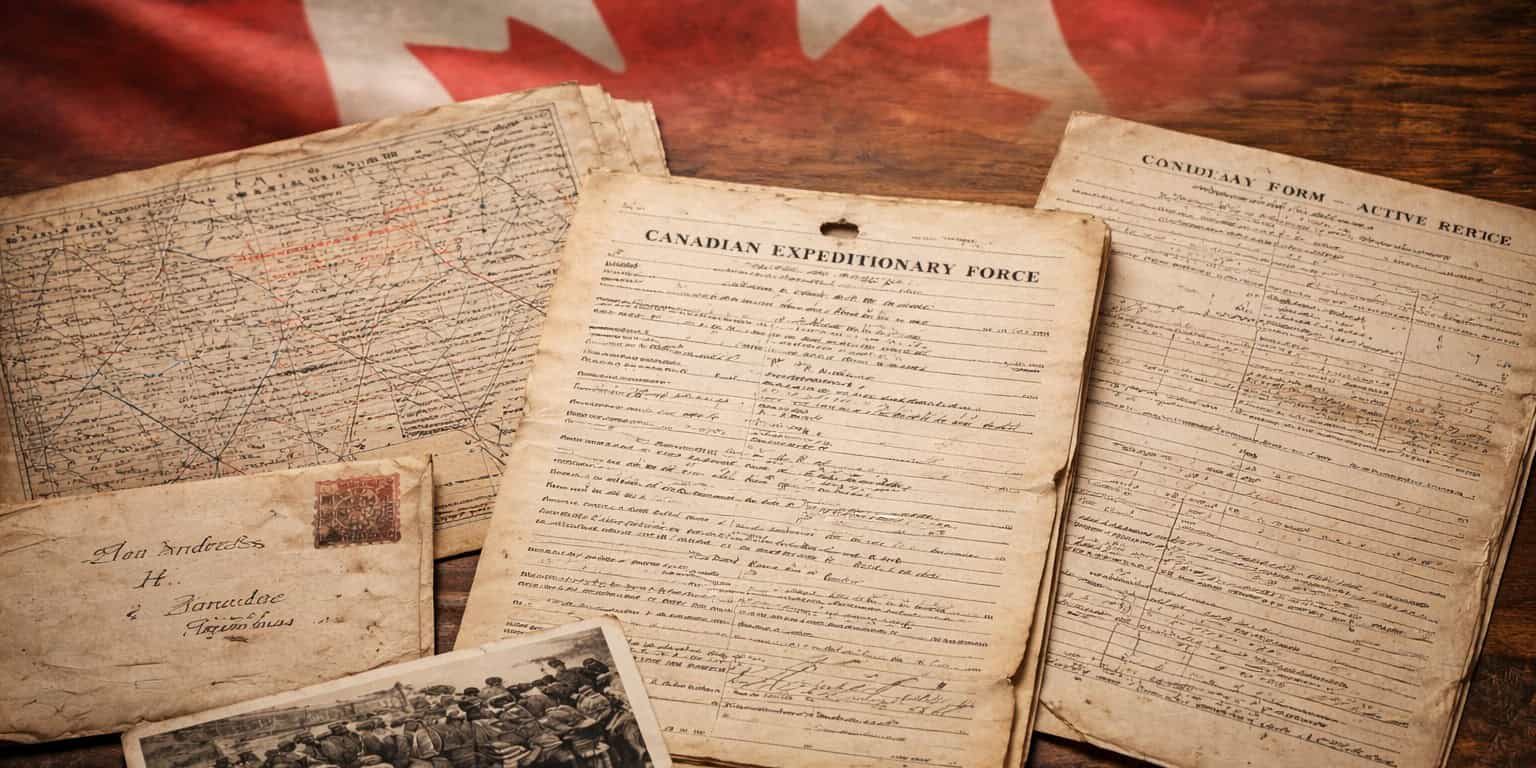
In storage facilities across Canada, irreplaceable military records are quietly deteriorating. Paper documents from both World Wars are yellowing and crumbling. Microfilm reels documenting Korean War service are becoming brittle. Cold War photographs are fading in their boxes. Time is the enemy, and it is winning.
These records of Canadian military service and sacrifice face permanent loss without immediate action. The solution lies in comprehensive digitization programs that transform physical collections into accessible digital formats.
This effort goes beyond preservation. When Library and Archives Canada digitized War of 1812 records, they opened 73,000 images of muster rolls and service records to researchers worldwide. These materials were previously accessible only to those who could travel to Ottawa.
The urgency is increasing. Canada’s Defence Industrial Strategy, announced February 17, 2026, commits CAD 81.8 billion in defence spending through 2030. This investment is creating pressure to properly archive and preserve military heritage across the Department of National Defence, regimental museums, and base archives.
Major Canadian Defence Digitization Projects Transforming Access
Library and Archives Canada’s War Records Initiative
Library and Archives Canada leads the effort to digitize Canadian military archives. Their microform digitization program has preserved thousands of deteriorating records from multiple conflicts.
The War of 1812 project stands out as a flagship achievement. LAC converted 73,000 images, including muster rolls, pay lists, nominal rolls, and board of claims records, into searchable digital formats. Documents once limited to in-person access are now available globally through LAC’s online portal.
First World War personnel files received similar treatment, followed by expansion into Second World War service files. Together, these projects create a comprehensive digital repository of Canada’s major military conflicts.
To support this scale of work, Library and Archives Canada uses production microfilm scanners and robotic book scanners provided by Ristech. This equipment allows fragile materials to be handled safely while producing high-resolution digital copies suitable for archival storage and research.
National Defence Image Library Preservation
The Canadian Forces Joint Imagery Centre manages one of Canada’s largest military photography collections. Since the First World War, the National Defence Image Library in Ottawa has collected approximately one million images taken by Canadian Forces photographers.
In 2005, a formal digitization plan was introduced to preserve this extensive negative collection. The archive includes combat photography, training exercises, peacekeeping missions, and ceremonial events spanning over a century.
This type of project requires advanced scanning equipment capable of handling multiple photographic formats while maintaining consistent image quality for research and documentation.
Diefenbunker Museum’s Digital Heritage Project
The Diefenbunker: Canada’s Cold War Museum in Carp, Ontario demonstrates how smaller institutions can successfully digitize military archives. With funding from the Digital Access to Heritage program, the museum launched a focused digitization initiative.
Beginning in August 2023, the team digitized approximately 2,000 objects over four months. This work expanded access to Cold War artifacts, documents, and architectural materials. The project continues to grow as more of the collection becomes digitally available.
RCEME Heritage Foundation’s Digital Transformation
The Royal Canadian Electrical and Mechanical Engineers Heritage and Museum Foundation in Kingston, Ontario has developed a strong example of digital transformation for regimental museums.
Their initiative includes a virtual tour, a searchable Book of Remembrance, and ongoing digitization of artifacts, photographs, and archival materials. This approach allows the museum to reach audiences far beyond its physical location.
National Initiatives Driving Military Heritage Digitization
Canadiana Collections and Research Networks
The Canadian Research Knowledge Network operates the Canadiana platform, which hosts millions of pages of digitized historical documents relevant to Canadian military history.
One example is the Second World War war diaries collection, which includes 1,353 reels. These records are used by researchers, historians, and even private companies such as Bombs Away, which uses historical data to locate unexploded ordnance in former conflict zones.
Open Science Infrastructure for Canadiana
The University of Ottawa leads this initiative, supported by a CAD 4.02 million grant from the Canada Foundation for Innovation in March 2026. The project aims to build a comprehensive and ethical digital archive of Canada’s historical records, including military materials.
This investment reflects a long-term commitment to digital preservation infrastructure in Canada.
The Technology Behind Military Archive Digitization
Successful digitization depends heavily on the right technology. Archival teams require equipment that is precise, efficient, and gentle on fragile materials.
Microfilm and Microfiche Scanners
Military archives contain extensive microfilm collections that store personnel records, reports, and historical documentation. Digitizing these materials requires specialized production scanners that handle 16mm and 35mm film, as well as microfiche.
Modern systems offer automatic feeding, batch processing, and image enhancement features that improve the readability of aged or damaged film.
Book and Document Scanners
Military collections include bound volumes, loose documents, and delicate materials that cannot be processed with standard flatbed scanners.
Robotic book scanners use cradle systems to support bindings and reduce stress on fragile spines. These systems include automated page turning, glass plates for flattening pages, and cool lighting to protect sensitive documents.
Large-Format Scanning Solutions
Oversized materials such as maps, blueprints, and technical drawings require large-format scanners. These systems capture fine detail while maintaining dimensional accuracy, which is essential for military engineering documents and schematics.
Government Investment Accelerating Digitization Efforts
The National Heritage Digitization Strategy provides a framework for coordinated digitization across Canadian institutions. Government funding continues to support projects nationwide.
Canada’s Defence Industrial Strategy, announced in February 2026, further strengthens this momentum. The CAD 81.8 billion investment includes a focus on Canadian content and suppliers, which supports domestic digitization providers.
This creates strong alignment between government priorities and the need to preserve military heritage.
The Future of Canadian Military Heritage Preservation
Digitizing military archives is about more than preservation. It supports accessibility, education, and integration with modern technologies such as artificial intelligence and virtual reality.
Institutions undertaking these projects need reliable partners who understand the complexity of military materials. From microfilm scanning to large-format digitization, success depends on selecting the right equipment and expertise.
For military libraries, museums, and government archives, working with an experienced Canadian supplier ensures access to the technology and support required to protect valuable historical records.
Learn more about digitization solutions for Canadian military heritage preservation at ristech.com.
Frequently Asked Questions
What types of military materials can be digitized?
Military archives include personnel files, photographs, maps, manuals, correspondence, microfilm, and large-format documents. Each requires specific scanning equipment to ensure safe handling.
How long does digitization take?
Timelines depend on collection size, material types, and equipment. High-volume and robotic scanners significantly reduce processing time.
What scanning resolution is recommended?
Typical standards include 300 to 600 DPI for documents, 600 to 1200 DPI for photographs, and higher resolutions for maps and microforms.
How much does digitization cost?
Costs vary based on scale and equipment. Government funding programs may offset expenses for qualifying institutions.
What equipment is required?
Projects typically require microfilm scanners, robotic book scanners, and large-format scanners. Ristech supplies these solutions to major institutions including Library and Archives Canada.
Can archives be made public?
Access depends on copyright and privacy rules. Many collections can be made available online through institutional platforms.
Conclusion
Digitizing Canadian military archives is no longer optional. It is a critical priority. Leading institutions such as Library and Archives Canada, the Diefenbunker, and the RCEME Heritage Foundation show how effective digitization can transform access and preservation.
With significant new defence funding and growing awareness of heritage preservation, Canadian institutions have a unique opportunity to modernize their collections.
Delays increase the risk of permanent loss. Acting now ensures that future generations can access and learn from Canada’s military history.