Digitizing Indigenous Collections in Canada: How Libraries and Archives Are Preserving Cultural Heritage
Introduction
Digitizing Indigenous collections Canada is becoming a critical priority for libraries, archives, and museums. New funding, improved technology, and growing recognition of Indigenous rights have created a unique opportunity to preserve cultural heritage while improving access.
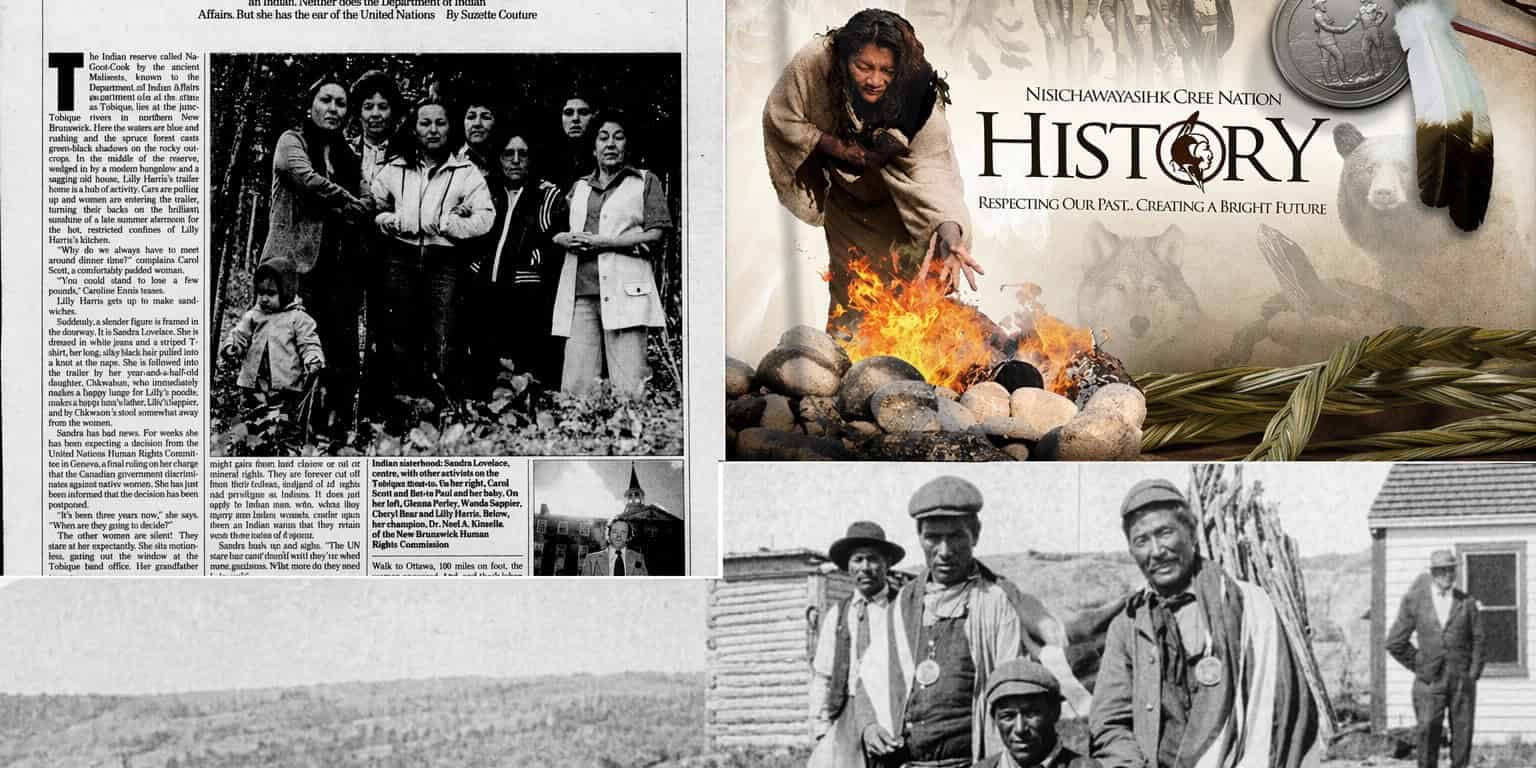
This work goes beyond preservation. Indigenous communities need access to their own historical records, many of which remain held in institutional collections. Digitization allows communities to reconnect with these materials while protecting them for future generations.
Success requires more than technology. Institutions must combine the right equipment with respectful protocols and meaningful partnerships that place Indigenous communities at the center of digitization efforts.
The Critical Moment for Indigenous Digitization
Canadian institutions are at a turning point. Increased funding and national attention have accelerated efforts focused on digitizing Indigenous collections Canada.
Projects are no longer limited to large institutions. Community archives, regional libraries, and museums are now playing a major role in preserving Indigenous materials. This shift ensures that preservation efforts are more inclusive and locally driven.
Library and Archives Canada’s Landmark Projects
Library and Archives Canada has led several major initiatives supporting digitizing Indigenous collections Canada.
In March 2026, LAC completed the CAD 25 million Day Schools Project, digitizing millions of records related to Indigenous day schools. These records provide access for survivors and families while supporting legal and historical research.
LAC also operates the Documentary Heritage Communities Program, which funds smaller institutions working with Indigenous collections. This program recognizes that preservation efforts must extend beyond national archives to local communities.
The Broader Movement Across Canadian Institutions
Across Canada, institutions are expanding efforts tied to digitizing Indigenous collections Canada.
Internet Archive Canada secured funding for Arctic digitization projects focused on Inuit materials and climate-related documentation.
University of British Columbia launched its Collaborative Digital Heritage Studio in 2026, providing specialized digitization services for Indigenous communities.
The Government of Canada has also increased funding for Indigenous language preservation, supporting the digitization of oral histories and traditional language materials.
Provincial archives continue to expand initiatives, working directly with Indigenous communities to digitize treaty documents, correspondence, and cultural records.
Vatican Artifact Repatriation Creates New Digitization Urgency
The Vatican returned Indigenous artifacts to Canadian communities in March 2026, creating new urgency for digitization.
These artifacts include ceremonial objects, documents, and culturally significant items that require immediate preservation. Many are fragile and cannot be handled frequently.
Digitization allows communities to preserve these materials while maintaining access for cultural and educational use. This also highlights the need to digitize Indigenous materials held in international collections.
The Equipment That Makes Indigenous Digitization Possible
Digitizing Indigenous collections Canada requires specialized equipment designed for fragile and culturally significant materials. Different collection types require different scanning solutions.
Microfilm Scanners for Historical Records
Treaty documents and administrative records often exist only on microfilm. These materials are essential for legal and historical research.
Modern microfilm scanners convert film into high-quality digital files while preserving fine details such as signatures and annotations. High resolution is critical for legal accuracy.
Book Scanners for Manuscripts and Ledgers
Many Indigenous collections include bound materials such as handwritten manuscripts and ledgers.
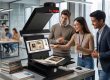
Book scanners use overhead capture and supportive cradles to digitize materials without damaging bindings. This approach protects fragile documents while ensuring high image quality.
Large-Format Scanners for Maps and Oversized Documents
Oversized materials such as maps, artwork, and ceremonial documents require large-format scanning systems.
These scanners accommodate wide materials while maintaining high resolution and color accuracy. This is essential for preserving visual and cultural details.
For institutions planning projects related to digitizing Indigenous collections Canada, selecting the right equipment is critical for both preservation and access.
Frequently Asked Questions
What makes Indigenous digitization different from other projects?
It requires cultural protocols, community involvement, and careful handling of sensitive materials.
How is digitizing Indigenous collections Canada funded?
Funding comes from federal programs, provincial grants, and private foundations supporting heritage preservation.
Which materials should be prioritized?
Treaty documents, language materials, oral histories, and deteriorating records are typically prioritized.
How do institutions ensure respectful handling?
Through community consultation, cultural protocols, and Indigenous participation in decision-making.
What resolution is required?
Legal documents often require 600 DPI or higher, while artwork may need even greater detail.
Can Indigenous communities access digitized materials?
Most institutions now provide access or copies to Indigenous communities, often with reduced restrictions.
What equipment is most important?
Equipment must support fragile materials, high resolution, accurate color capture, and large-format capabilities.
Conclusion
Digitizing Indigenous collections Canada represents both an opportunity and a responsibility. Institutions can preserve cultural heritage while improving access for Indigenous communities.
Success depends on combining the right technology with respectful practices and strong partnerships. From microfilm to large-format scanning, selecting the right equipment is essential.
Libraries, archives, and museums planning digitization projects can contact Ristech for guidance on solutions tailored to Indigenous collections and preservation requirements.